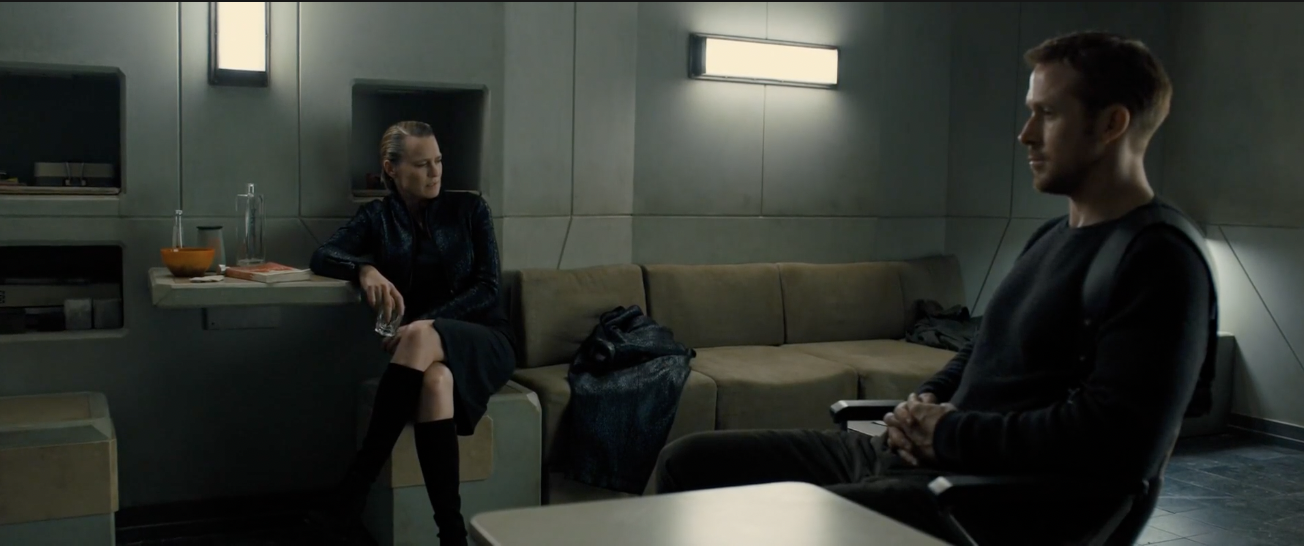
In our first episode of 2026, we return to one of Blade Runner 2049’s most quietly devastating moments: K’s memory of the Morricole orphanage, and what that memory actually means within the larger story at play.
On the surface, we’re watching a synthetic being (whatever a Replicant ultimately is) recount a memory he knows to be false to his superior officer. But this retelling doesn’t happen freely. It happens under pressure. Under surveillance. Under the constant threat of erasure. And in that moment, the scene crystallizes something essential about K’s existence: the psychic cost of obedience in a world governed by deeply unhappy, emotionally stunted humans.
What begins as a test of authenticity becomes something far more unsettling. A performance of belief. A ritual of submission. A reminder that even false memories can carry real emotional weight and that belief itself may be more dangerous than truth.
In this discussion, we peel back the layers of that scene and uncover implications that reach far beyond the orphanage. We talk about memory as control, trauma as programming, and why Blade Runner 2049 insists that meaning doesn’t come from whether something is “real,” but from how it changes the one who carries it.
This conversation surprised us. It took us places we hadn’t anticipated, and it reshaped how we understand K, Wallace’s world, and the fragile boundary between human suffering and manufactured experience.